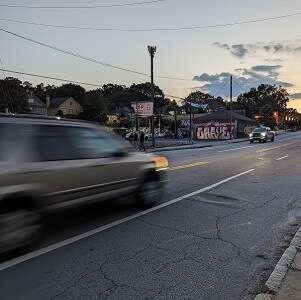
Pedestrians and cyclists are dying on U.S. streets at alarming rates, but the burden of traffic injury falls unevenly across racial and ethnic lines. New research highlights how communities of color face far greater exposure to being struck while walking or biking, deepening longstanding health disparities tied to place, income, and race.
The analysis shows that Black and Hispanic people are more likely to be killed while walking than would be expected based on their share of the population. Using detailed ambulance data from Boston between 2016 and 2021, researchers examined what they call “mobility risk,” the likelihood of being injured while traveling without a car. Neighborhoods with the lowest shares of white residents experienced pedestrian and cyclist injury rates more than three times higher than neighborhoods with the highest shares of white residents.
Risk did not stop at neighborhood boundaries. About half of pedestrian crashes involving residents of neighborhoods with the largest populations of color occurred far from home, compared with roughly one-third among residents of mostly white neighborhoods. This pattern suggests that people of color face elevated danger not only where they live, but also as they travel across the city for work or daily needs.
The disparities were stark for Black communities. Residents of neighborhoods with the largest Black populations had pedestrian crash rates three times higher than those living in neighborhoods with the smallest Black populations. Similar, though less extreme, patterns were seen for cyclists.
The findings connect traffic injury to broader social determinants of health. Neighborhoods with higher poverty, lower educational attainment, younger populations, and lower car access all showed higher injury risk. Together, the data point to traffic safety as a critical and often overlooked driver of racial health inequities.
See: “Pedestrians and Cyclists Who Live in Communities of Color Face Disproportionate Exposure to Traffic Injury—Both in Their Neighborhoods and Elsewhere” (June 12, 2025)