
Renee Brady-Nicholls
Reduced cancer inequities by developing mathematical models of treatment differences, especially among Black and white prostate-cancer patients.


Tamara Cadet
Addressed cancer screening disparities among older adults, especially in underserved populations.

John Carpten
Investigated cancer genomics to explain higher rate and mortality from prostate cancer among Black men and other underserved populations.
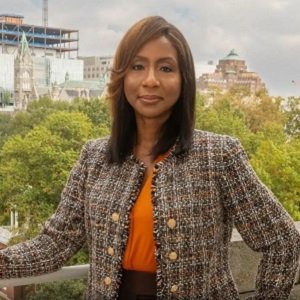
Vanessa Sheppard
Improved treatment access, survivorship support, and clinical-trial participation for Black women with breast cancer.
Tesa Anewishki
Led a West Side safety-net hospital where she combats diabetes, food insecurity and access issues for Black and Brown patients.
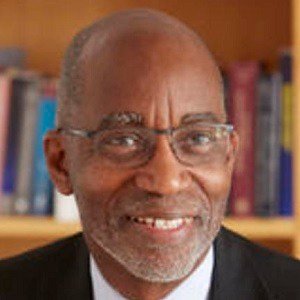
David R. Williams
Illuminated how structural racism harms health, documenting worse outcomes for Black Americans and other marginalized groups.
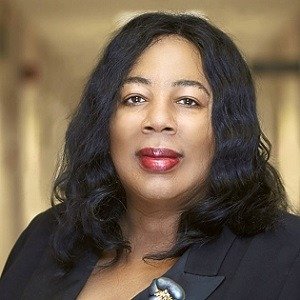
Harriet Washington
Exposed racism’s historic and ongoing impact on Black health through research, writing, and advocacy.
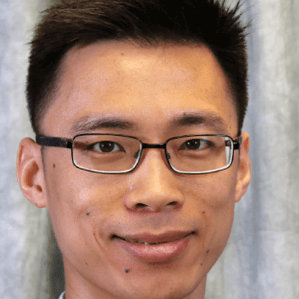
Kelvin Choi
Addressed smoking-cessation disparities and tobacco use prevention among Asian American and other immigrant populations.
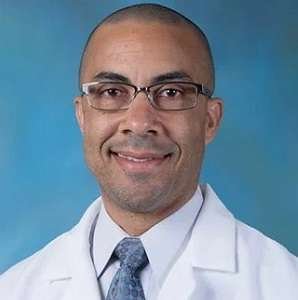
William Ashley Jr.
Fought Against Cardiovascular Health Disparities in Black Communities.

John Ayanian
Worked to uncover and reduce racial and ethnic disparities in healthcare quality and outcomes, particularly among Black versus White patients.

Eraka Bath
Improved mental-health services and justice-system support for foster-care and juvenile-justice-involved youth from marginalized communities.
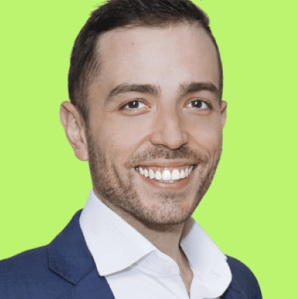
Wallace Torres
Developed a virtual care platform to reduce autoimmune-care inequities among Hispanic and Latino patients.
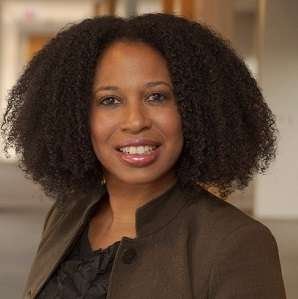
Aletha Maybank
Confronted Medical Racism, Leads Historic Equity Reckoning for Black Americans.
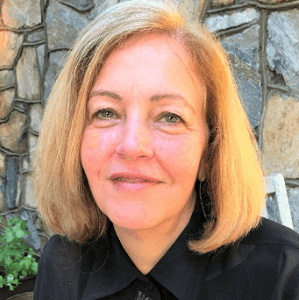
Margarita Alegría
Advanced equity by improving mental-health access and culturally appropriate care for Latino and other underserved populations.

Otis Brawley
Fought cancer inequities by exposing delayed diagnoses and poorer treatment among Black patients and underserved communities.

Jamie Studts
Tackled lung-cancer screening inequities by creating decision aids and outreach tools for underserved, high-risk populations.
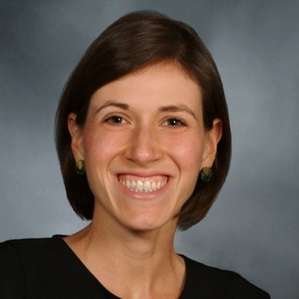
Laura C. Pinheiro
Documented How Structural Racism Drives Cancer Disparities for Black Americans.

Chandra Jackson
Researched how social and environmental factors drive racial disparities in sleep and metabolic health.

Kafui Dzirasa
Increased neuroscience research inclusivity and highlighted exclusion of African-ancestry data in mental-health studies.

Lauren McCullough
Studied how obesity and neighborhood deprivation drive breast-cancer outcome disparities among underserved populations.
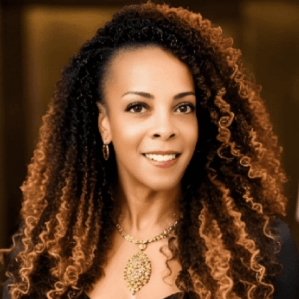
Wizdom Powell
Focused on reducing health inequities among African American men by examining how racism and masculinity norms impede help-seeking.
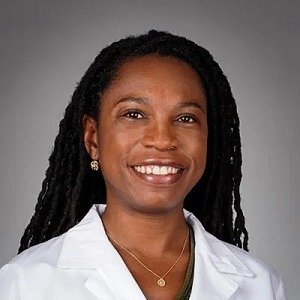
Lola Fayanju
Focused on reducing racial disparities in breast-cancer outcomes and treatment delays among Black women.
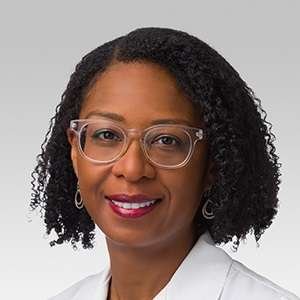
Dinee Simpson
Created First Program Addressing Black Patients’ Barriers to Lifesaving Organs

Wendy Bennett
Advanced programs improving postpartum weight and diabetes prevention for Black and low-income women.
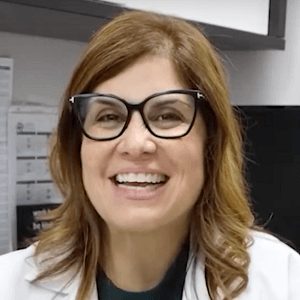
Marcia Cruz-Correa
Led efforts to reduce colorectal and hereditary cancer disparities among Hispanic and Puerto Rican populations.
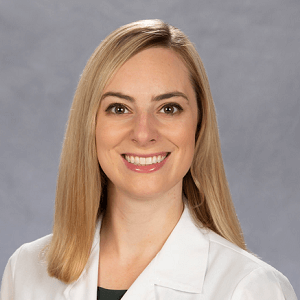
Danielle Shpiner
Focused on reducing disparities in advanced-care planning and treatment access among Hispanic and female patients with Parkinson’s disease.
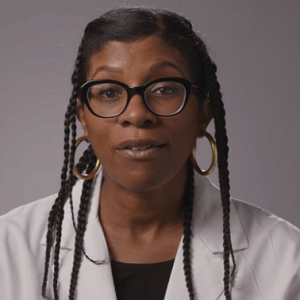
Rhea Boyd
Advanced equity by addressing police violence as a health issue and improving COVID-19 vaccine access for Black and Brown communities.
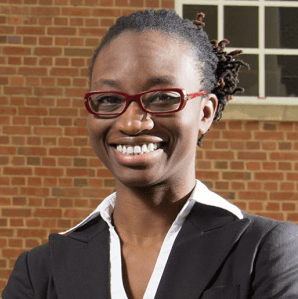
Kemi Doll
Improved diagnosis, treatment, and advocacy for Black women with endometrial cancer facing delayed care.
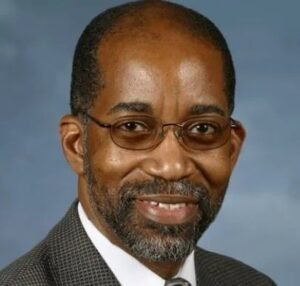
David Williams
Focused on impacts of daily discrimination, which contribute to poor health.
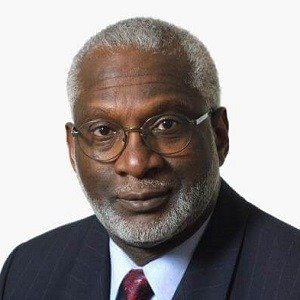
David Satcher
Championed eliminating racial health disparities, especially infant mortality, HIV/AIDS, and care for minorities.
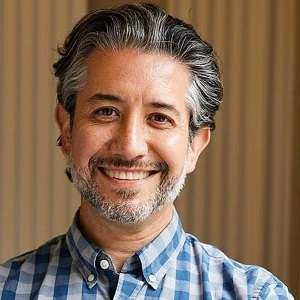
Adrian Aguilera
Pioneered Text-Based Mental Health Support for Low-Income Latinx Communities

Arline Geronimus
Developed the “weathering” theory, showing chronic racism caused early health decline, especially in Black mothers and infants.

Denise Dillard
Led community-engaged research on behavioral health, chronic disease, and trauma among Alaska Native and American Indian populations.

Tiffany Green
Studied racial and immigrant-status inequities in maternal and infant health, especially affecting Black and immigrant mothers.
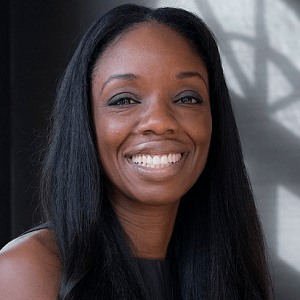
Nadine Burke Harris
Tackled childhood trauma and toxic stress, highlighting disproportionate impacts on Black and low-income children.
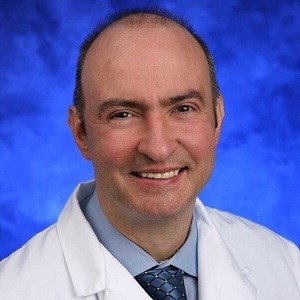
Sinisa Dovat
Investigated genetic drivers of childhood leukemia and developed targeted therapies to reduce striking disparities affecting Hispanic/Latino children.
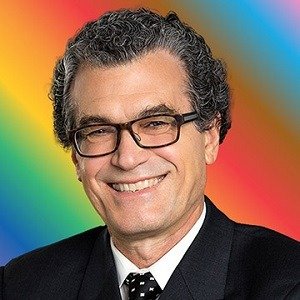
Eliseo Pérez-Stable
Improved tobacco-cessation and chronic-disease outcomes among Latino communities and other underserved groups.

Crystal Cené
Focused on reducing cardiovascular and chronic-care disparities among under-served populations through social-determinants research.
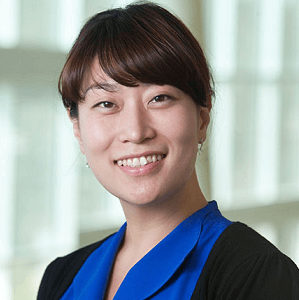
Jungyoon Kim
Examined racial disparities in cancer-clinical trials by highlighting much lower awareness and participation among Black survivors.

Paola Gonzalez
Championed bilingual, culturally responsive oncology care and improved health access for Latino communities facing resource barriers.
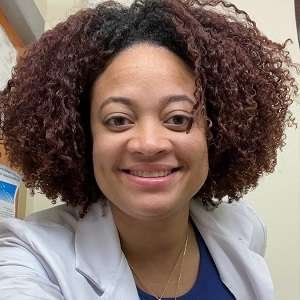
Rachel Robins
Pioneered Research on Postpartum Depression in Black New York Mothers.

Mary Bassett
Centered her work on structural racism’s impact on Black, Latinx and Indigenous communities’ health outcomes.

Marcella Nunez-Smith
Worked to eliminate COVID-19 and healthcare inequities affecting Black, Latino, and other marginalized communities through research and policy leadership.

Joseph Mikhael
Advanced equity in blood-cancer care by targeting dramatic outcome and treatment disparities in multiple myeloma among Black and Latino patients.
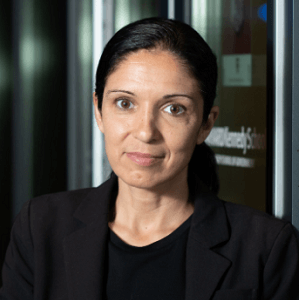
Marcella Aslan
Researched medical mistrust, showing racially concordant physicians boost preventive care among Black men.

Lisa Cooper
Pioneered interventions improving doctor-patient communication and community engagement to reduce racial health inequities.

Avonne Connor
Studied breast-cancer outcomes among African-American, Hispanic and underserved women and the factors that contribute to unequal outcomes.

Chandra Ford
Focused on how racism—not race itself—drives health inequities, especially among Black and other racially minoritized populations.
Barney Morris
Championed prostate-cancer awareness and care equity, focusing on preventing late diagnoses among Black men.
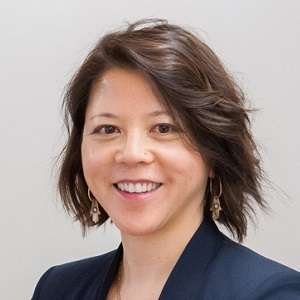
Aswita Tan-McGrory
Translated Health Equity Research Into Practice for Hospitals and Health Systems Nationally.

Mona Hanna-Attisha
Exposed lead poisoning in Flint, championed public health initiatives for vulnerable children.
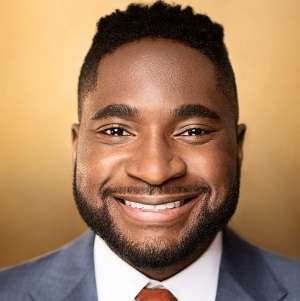
Utibe Essien
Championed “Pharmacoequity” to Combat Medication Disparities Affecting Black Patients.

Esperanza Diaz
Founded a Hispanic Psychiatry Fellowship and expanded mental-health services tailored for Latinos with limited English proficiency.
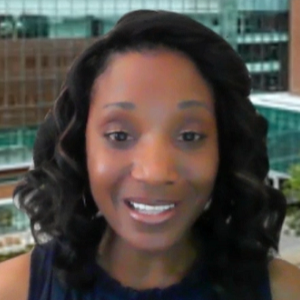
Diane Mahoney
Investigated social-determinant and survivorship disparities among Black and Hispanic ovarian cancer survivors.
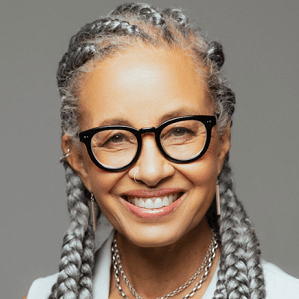
Linda Villarosa
Exposed racism’s role in health, highlighting systemic causes of Black health inequities nationwide.
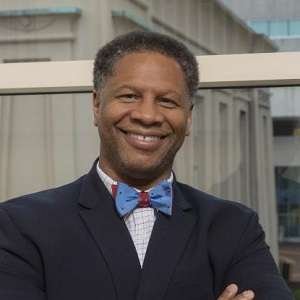
Robert A. Winn
Leading voice for ensuring that health breakthroughs reach all communities.
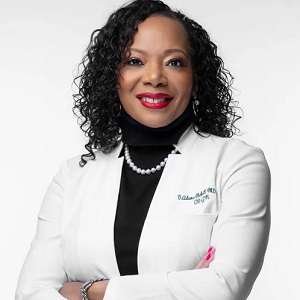
Donna Adams-Pickett
Fought Black Maternal Mortality Through Education and Advocacy in Georgia

Rebekka Walker
Addressed racial health disparities by researching food insecurity, diabetes, and policy interventions for equity.
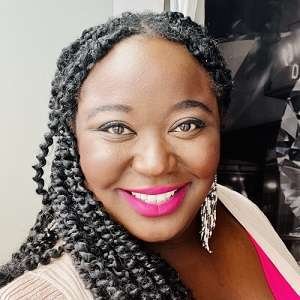
Dana Sherrod
Built California’s First Statewide Black Birth Justice Movement.
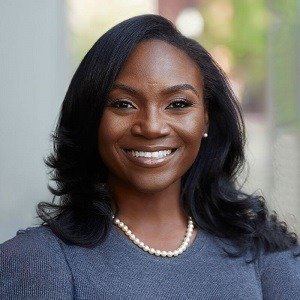
Kizzmekia Corbett
Helped develop mRNA COVID-19 vaccines and worked to build vaccine trust in Black communities.

Otis Brawley
Developed cancer screening strategies for effectiveness across diverse populations.

J.C. Abdul-Mutakabbir
Led vaccine equity efforts among Black and Hispanic communities, specifically combating COVID-19 vaccine inequity.

Camara Phyllis Jones
Advanced health equity by exposing racism’s role in poorer health outcomes for Black and other marginalized communities.
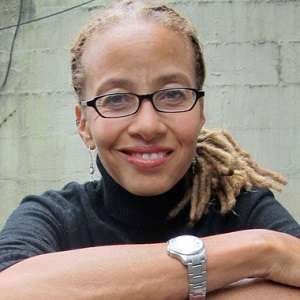
Linda Villarosa
Exposed how racism undermines Black Americans’ health at every stage.
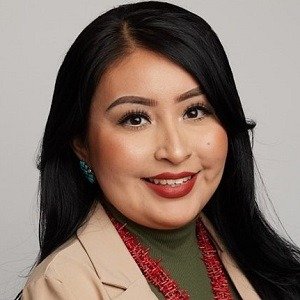
Alyson Shirley
Advanced Indigenous health by providing mobile HIV/STI testing, education, and culturally responsive interventions.

Howard Koh
Advanced equity by improving cancer prevention, tobacco control, and health access for Black, Asian, and other underserved communities.

Gloria D. Coronado
Developed low-cost screening interventions to boost colorectal cancer detection in underserved Latino and rural populations.